

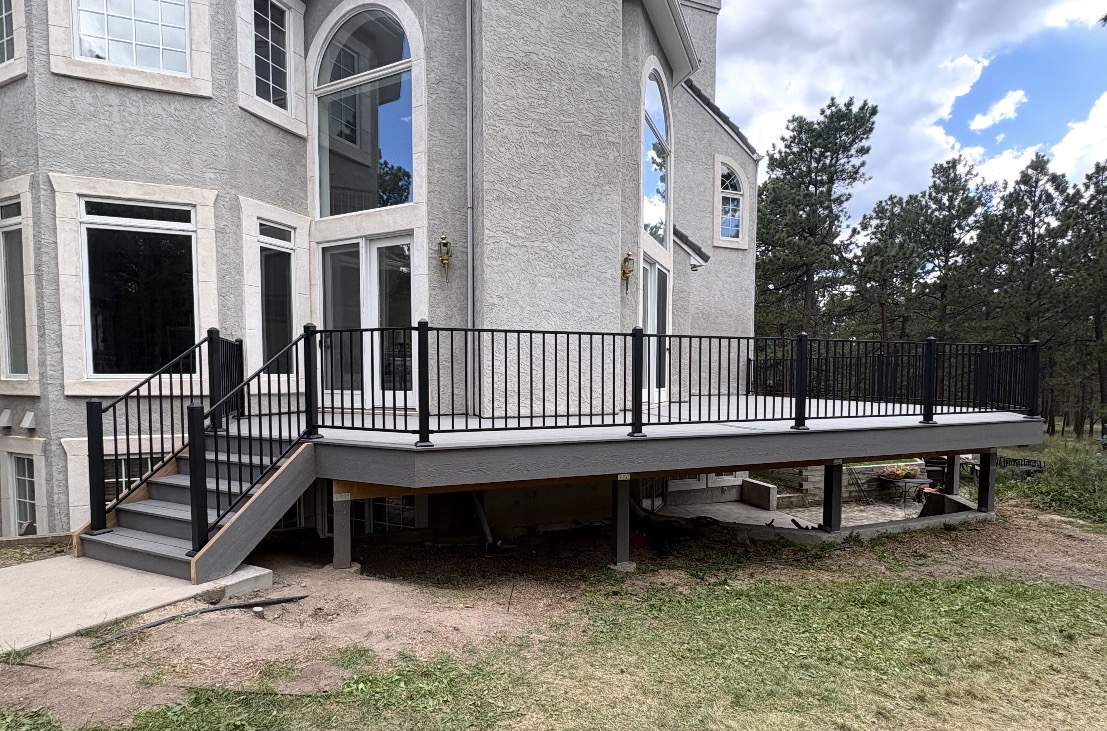
Building, repairing, or replacing a deck in a Colorado Springs wildfire zone can involve requirements that many homeowners aren’t aware of until they begin planning their project. Depending on your property’s location and the type of work being performed, Wildland-Urban Interface (WUI) regulations may affect decking materials, landscaping, permits, and required inspections.
Colorado Springs updated its wildfire regulations in 2026, making it especially important for homeowners to understand which requirements apply to their property. While some routine maintenance may be exempt, certain deck repairs, structural modifications, and replacements can trigger additional requirements.
In this guide, we’ll explain how to determine whether your home is in a designated wildfire area, which deck repairs may require WUI compliance, what decking materials are permitted, how existing wood decks are treated, and what homeowners should expect during the permitting and inspection process.
Is My Home in a Colorado Springs Wildfire Zone?
Many Colorado Springs homeowners are unaware that their property may be located within a designated Wildland-Urban Interface (WUI) area. These are areas where homes and development meet or intermingle with natural vegetation, creating an increased risk of wildfire exposure.
Before building, repairing, or replacing a deck, one of the first steps is determining whether your property falls within a designated wildfire area.
The Colorado Springs Fire Department provides an interactive wildfire map where homeowners can look up their property by address. This is a helpful starting point for identifying wildfire risk and understanding whether additional requirements may apply to their deck project.
Check Your Property: Colorado Springs Wildfire Map
Keep in mind that wildfire classifications and construction requirements can vary by property. A home’s location within a wildfire area does not necessarily mean every deck repair or improvement requires the same materials, permits, or inspections. The requirements depend on the property’s designation, the scope of work, and the regulations that apply to the project.
Do Deck Repairs Trigger WUI Requirements in Colorado Springs?
Yes, certain deck repairs can trigger Wildland-Urban Interface (WUI) requirements in Colorado Springs. However, not every repair requires the homeowner to bring their entire deck into compliance with current wildfire regulations.
Decking Board Replacement and Routine Maintenance
Replacing worn or damaged decking boards with similar materials, without changing the deck’s size, shape, or structural framing, may qualify as routine deck maintenance. Painting and staining are also generally exempt from additional WUI construction requirements.
Structural Deck Repairs
Repairs involving structural components, such as joists, beams, posts, or other load-bearing members, require closer review. When the main structural members are altered, or the work requires a permit from the Pikes Peak Regional Building Department (PPRBD), additional WUI requirements may apply.
Deck Additions and Major Alterations
Expanding a deck, changing its footprint, or rebuilding substantial portions of its structure can trigger current WUI requirements. Depending on the property’s wildfire classification, this may affect the decking materials, construction details, and vegetation surrounding the project.
The important thing for homeowners to understand is that an existing deck does not automatically need to be completely rebuilt simply because it is located in a wildfire zone. The requirements depend on the type of work being performed and the property’s classification.
For homeowners unsure whether their existing deck can be repaired or needs replacement, our guide to deck repair versus replacement in Colorado Springs explains what to consider when evaluating an aging deck.
What Decking Materials Are Allowed in Colorado Springs WUI Areas?
Not all decking materials are approved for use in Colorado Springs wildfire zones. The materials permitted for a new or replacement deck depend on the property’s wildfire classification and the applicable construction requirements.
Class II Wildfire Areas
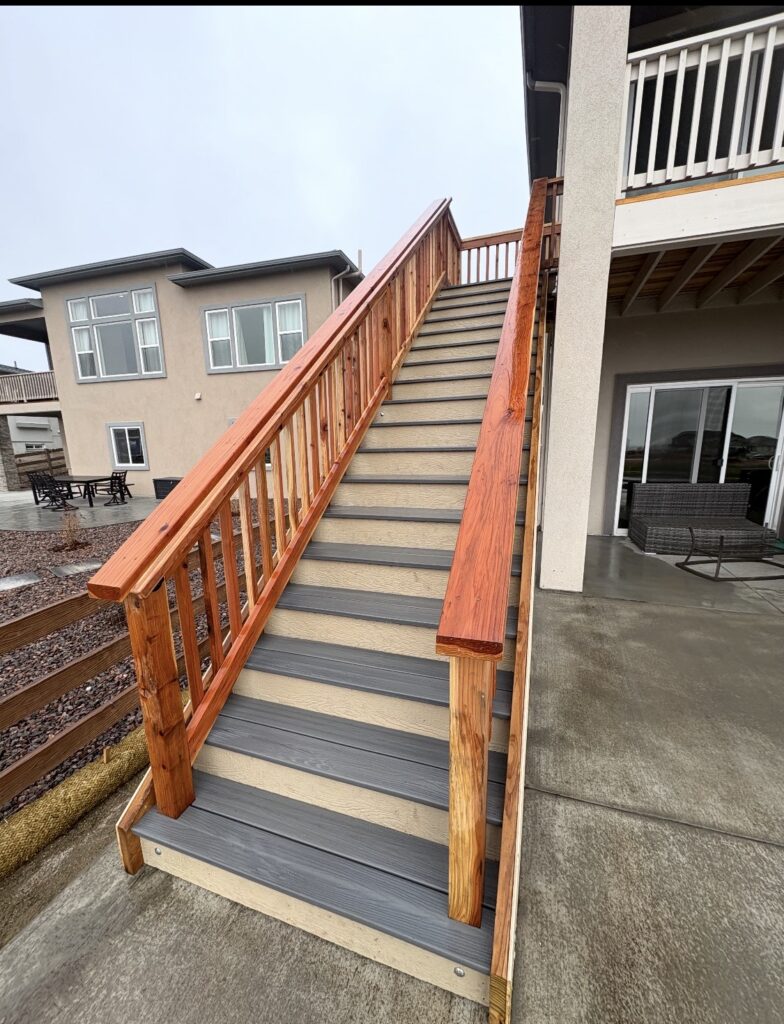
In designated Class II wildfire areas, Colorado Springs requires deck surfaces and stair treads to be constructed using materials that meet specific fire-resistance standards. These include Class A rated materials, composite decking with a minimum Class B rating, or qualifying ignition-resistant materials.
Traditional wood decking is not permitted as the walking surface for new decks subject to these Class II requirements. However, wood may still be used for structural framing, including joists, beams, posts, and railings.
Class II wildfire areas also include an Expanded Zone extending from 30 to 100 feet, where additional requirements, including tree spacing, may apply.
Class I Wildfire Areas
Class I wildfire areas have their own construction and vegetation management requirements. Although the specific Class II decking material restrictions do not automatically apply to Class I properties, homeowners must still comply with the wildfire protection standards applicable to their property. These may include requirements for vegetation clearance, noncombustible surfaces beneath decks, and other measures intended to reduce wildfire exposure.
Is All Composite Decking Fire-Rated?
No. Composite decking products have different fire-performance ratings, and not every product meets Colorado Springs WUI requirements. Homeowners should not assume a composite board is approved simply because it is advertised as fire-resistant.
Before selecting decking materials, it’s important to verify the manufacturer’s fire-rating documentation and confirm that the product meets the requirements for the property.
Additional Fire Protection Requirements
In Class II wildfire areas, approved decking materials are only one part of meeting the construction requirements. Colorado Springs also requires specific fire-resistant construction details, including a minimum of six inches of metal flashing or approved fire-resistant material at certain intersections between exterior walls and decking. These details should be addressed during the planning and permitting process, not after construction has begun.
Homeowners planning a new deck can also explore our deck construction services in Colorado Springs to learn more about available designs and materials.
What About Existing Wood Decks in Colorado Springs WUI Areas?
Many homes in Colorado Springs wildfire zones have existing wood decks that were built before today’s WUI requirements took effect. Homeowners often wonder whether these decks must be removed or replaced simply because they no longer meet current wildfire construction standards.
Can an Existing Wood Deck Remain?
In many cases, yes. An existing wood deck that was legally constructed under earlier requirements may be allowed to remain in place. The adoption of newer wildfire regulations does not automatically require every homeowner to replace an existing deck.
What Happens When an Existing Wood Deck Needs Repairs?
Routine maintenance, such as staining or certain limited repairs, may be exempt from additional WUI construction requirements. However, replacing structural components, making significant alterations, or reconstructing a deck can trigger current requirements for the affected work.
For example, a homeowner may be able to maintain an existing wood deck, but replacing that deck with a new structure could require different decking materials and additional wildfire mitigation measures.
Does the Entire House Have to Meet Current WUI Requirements?
Not necessarily. Colorado Springs generally allows alterations to existing structures without requiring the entire building to be upgraded to current wildfire standards. However, the new or modified work must meet applicable requirements, and vegetation management may be required around the project area.
Before deciding whether to repair or replace an older deck, it’s important to evaluate the condition of the structure, the proposed scope of work, and the property’s wildfire classification.
Will I Have to Remove Trees or Shrubs to Build a Deck in a Colorado Springs WUI Area?
Building, repairing, or replacing a deck in a Colorado Springs Wildland-Urban Interface (WUI) area may involve more than meeting construction requirements. Homeowners may also need to address trees, shrubs, grasses, and other vegetation surrounding their home and deck.
Does Every Tree or Shrub Have to Be Removed?
No. Wildfire mitigation does not necessarily mean removing every tree or shrub from your property. However, certain vegetation may need to be removed, trimmed, or maintained to meet the Colorado Springs Fire Department’s requirements.
Vegetation Around and Beneath the Deck
Colorado Springs WUI regulations identify two important areas around structures. The Immediate Zone extends from 0 to 5 feet and generally requires noncombustible ground coverings and the removal of combustible vegetation, subject to specific exceptions. The Intermediate Zone extends from 5 to 30 feet and includes additional vegetation management requirements, such as tree spacing, pruning, and reducing combustible materials. Areas beneath decks are also addressed by these requirements. The specific measures that apply depend on the property’s wildfire classification and the scope of construction.
Trees Near the Deck
Trees located close to a deck may require additional attention. Depending on their location, size, and characteristics, branches may need to be trimmed or certain trees removed. The regulations also recognize exceptions for qualifying existing character trees, subject to specific clearance requirements.
Who Determines What Must Be Removed?
The Colorado Springs Fire Department evaluates applicable vegetation requirements during the WUI review and inspection process. Homeowners can request a pre-inspection to better understand what vegetation work may be necessary before proceeding with their deck project.
Vegetation trimming and removal are the homeowner’s responsibility and should be planned for separately from deck construction. Understanding these requirements early can help homeowners avoid unexpected expenses and delays in completing their project.
What Permits and Fire Inspections Are Required for WUI Deck Projects?
Building, repairing, or replacing a deck in a Colorado Springs WUI area may require approval from both the Pikes Peak Regional Building Department (PPRBD) and the Colorado Springs Fire Department (CSFD). These departments review different aspects of the project, and approval from one does not necessarily mean all requirements have been satisfied.
Building Permits and Fire Department Review
When a deck project requires a building permit, PPRBD reviews the structural construction requirements. Properties within designated WUI areas may also require Fire Department review for wildfire-related construction and vegetation requirements.
Homeowners may be required to review, complete, and sign a WUI Homeowner Acknowledgment Form as part of the approval process. This document explains important wildfire responsibilities associated with the property.
Optional Fire Department Pre-Inspection
For projects requiring a WUI permit, homeowners can request a Fire Department pre-inspection after the applicable permit has been purchased. This allows an inspector to evaluate the property and identify vegetation or other conditions that may need to be addressed.
A pre-inspection can be especially helpful when homeowners are concerned about existing trees or landscaping. It provides an opportunity to understand potential requirements before construction begins.
Final Inspections and Permit Closure
In many cases, deck construction can be completed before the final Fire Department vegetation inspection. However, required wildfire mitigation work must be completed and approved before the applicable Fire Department permit can be closed.
Building inspections and Fire Department inspections are separate. Passing the final building inspection does not automatically satisfy outstanding WUI requirements.
Homeowner Responsibilities
Homeowners are responsible for completing required vegetation trimming, tree removal, and other landscaping work identified through the Fire Department review. These services are separate from deck construction and should be considered when planning the project’s overall cost and timeline.
Understanding the permitting and inspection process before starting a project can help homeowners prepare for additional requirements and avoid unexpected delays.
What Changed in Colorado Springs WUI Requirements in 2026?
On May 12, 2026, Colorado Springs adopted Ordinance 26-18, updating the city’s Wildland-Urban Interface (WUI) requirements. The new regulations took effect May 25, 2026, and were adopted to align local wildfire protection standards with Colorado’s statewide Wildfire Resiliency Code.
Updated Wildfire Risk Classifications
The revised regulations establish Class I and Class II wildfire areas, with different requirements based on the property’s designation. These classifications help determine which wildfire protection measures apply to new construction and certain improvements to existing structures.
Updated Construction and Vegetation Standards
The 2026 regulations address fire-resistant construction materials, vegetation management, and protection against wildfire exposure. For deck projects, the requirements can affect decking materials, stair treads, construction details, and the area beneath and surrounding the deck.
Colorado Springs also maintains certain requirements that are more restrictive than the statewide minimum standards. This makes it important to follow the regulations adopted by the city rather than assuming that a material approved elsewhere in Colorado will automatically be permitted.
What This Means for Homeowners
Homeowners planning a deck project should confirm their property’s current wildfire classification before selecting materials or finalizing construction plans. Requirements may differ depending on whether the project involves new construction, routine maintenance, structural repairs, or complete deck replacement.
Because wildfire regulations have changed, homeowners should rely on current information rather than older articles or construction guidelines when planning their project.
What Should Homeowners Do Before Starting a Deck Project in a WUI Area?
Before starting a deck project in a Colorado Springs wildfire zone, homeowners should take a few important steps to understand the requirements that may apply to their property.
1. Check Your Property’s Wildfire Classification
Use the Colorado Springs Fire Department’s wildfire map to determine whether your home is in a designated WUI area. Your property’s classification can affect the materials and wildfire protection measures required for your project.
2. Determine the Scope of Your Deck Project
Whether you’re building a new deck, replacing an existing structure, or making repairs can affect which requirements apply. Structural repairs and major alterations may involve different permitting and WUI considerations than routine maintenance.
3. Confirm Your Decking Materials
Before purchasing materials, verify that the decking products meet the applicable wildfire requirements. Not all composite decking products have the same fire rating, and certain wildfire classifications have more restrictive material standards.
4. Review Trees and Landscaping
Look at the vegetation surrounding your home and proposed deck. Trees, shrubs, combustible mulch, and other landscaping may need attention. If you’re concerned about possible tree removal, ask the Fire Department about a pre-inspection before proceeding with construction.
5. Understand Permits and Inspections
Determine whether your project requires a PPRBD building permit and additional Fire Department review. Understand the required inspections, homeowner responsibilities, and any wildfire mitigation work that must be completed before the applicable permits can be closed.
Taking these steps early can help homeowners make informed decisions, select appropriate materials, and prepare for the requirements associated with their deck project.
Planning a Deck Project in a Colorado Springs WUI Area?
Understanding Colorado Springs WUI deck requirements before beginning construction can help homeowners avoid unexpected expenses, permitting delays, and complications during inspections. Whether you’re planning a new composite deck, repairing an existing structure, or considering a complete replacement, knowing which wildfire regulations apply is an important first step.
O’Leary & Sons, Inc. has served Colorado Springs homeowners since 1988. Our experience with deck construction, repairs, and WUI permitting allows us to help homeowners understand the requirements that may affect their projects.
If you’re considering a deck project in a Colorado Springs wildfire area, contact O’Leary & Sons to schedule an estimate and discuss your options.
Frequently Asked Questions About Colorado Springs WUI Deck Requirements
Will WUI requirements increase the cost of my deck project?
They can. Fire-rated decking materials, additional construction requirements, permitting, and vegetation mitigation may affect the overall cost. The additional expense depends on your property’s wildfire classification, the project scope, and any work required to meet applicable regulations.
Can I replace just my deck stairs in a WUI area?
Possibly. Replacing stairs may involve structural alterations and could require a building permit and WUI review. Whether existing materials can remain or new materials must meet current wildfire standards depends on the work being performed and the requirements that apply to the property.
How long does the WUI approval process take?
Approval times vary depending on the project, required documentation, plan reviews, and inspection scheduling. Homeowners should account for potential Fire Department requirements when planning their construction timeline, especially if vegetation removal or additional approvals are necessary.
What happens if I don’t complete the required vegetation removal?
If the Colorado Springs Fire Department identifies vegetation that must be removed or modified, that work generally needs to be completed before the applicable WUI permit can be closed. Even if the deck construction has passed its building inspections, outstanding wildfire mitigation requirements may prevent final Fire Department approval.
Can I request a Fire Department inspection before building my deck?
Yes. For projects requiring a WUI permit, homeowners can request a pre-inspection after the applicable permit has been purchased. This can help identify trees, shrubs, and other vegetation that may need attention before construction begins.
Homeowners should be aware that permit fees are often nonrefundable or subject to specific refund policies. Anyone considering canceling a project should confirm refund eligibility directly with the issuing department.